"The huge size of London meant that is was also the largest single market for basic consumer goods, which stimulated the production of shoes, clothing, furniture, bread, beer and the other necessities of life. London breweries were amongst the most capital intensive concerns in the land. The cattle driven to the market at Smithfield supplied hides for the tanners at Bermondsley who produced leather to be used in shoes, saddles, coaches, book bindings."
P. 35, London - World City, 1800-1840, Edited by Celina Fox, 1992, Yale University Press, New haven & London, in Association with The Museum of London.
"By the turn of the nineteenth century London had almost ten thousand acres of market gardens serving the hungry metropolis.
The gardens were richly fertilized with the dung from the streets and stables from London - each acre had sixty cartloads of manure spread over and dug into it each year. This contrasts with regular farming land about London which, during this period, was only manured once every three or four years. (During September to October.) As well as dung, the market gardeners made copious use of marl, dug up from Enfield chase to the north of the city. A by-product of marl production were thousands of fossilised dinosaur bones, to be sent down to the newly developed British Museum (although many, no doubt, were crushed for the market gardens as well).
Manure and/or marl was ploughed in by a clumsy swing plough, and harrowed once ploughed over. Working the gardens began soon after Christmas. Once the weather was favourable, the market gardeners began by sowing the borders with radishes, spinach, onions as well many seed crops."
An American in Regency England, 1810-1811, writes:
Other Links Related to City Living in the Early 19th Century:
Also read: How Clean Was Jane Austen's London?
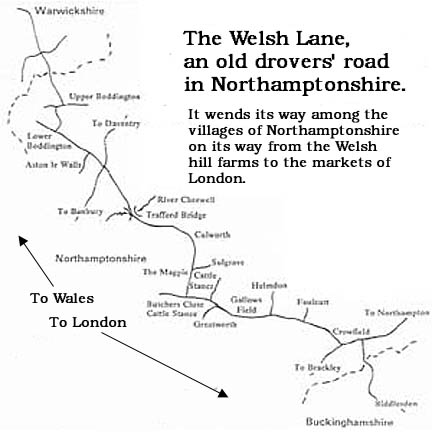
Also on this site: A History of Droving