Click here to enter my other blog: Jane Austen's World.
Showing posts with label The Art of Cookery. Show all posts

Monday, September 3

Cookery Books

Although England was at war with France during the Regency Era, the upper crust considered it fashionable to hire a French chef. This common practice was considered a folly by cookery book author, Hannah Glasse, who said her fellow Englishmen "would rather be impos'd on by a French Booby, than give Encouragement to a good English Cook!"

For the more ordinary households, the most popular cookery books of the day were written by women: Eliza Smith,1727; Hannah Glasse, 1747; and Elizabeth Raffald,1769. Hanna's wildly popular book was reprinted 17 times between 1747 and 1803! In those days, the authors borrowed recipes liberally from each other, but Mrs. Glasse's recipes were more detailed and clearly written than most. "I have attempted a Branch of Cookery which Nobody has yet thought worth their while to write upon...My Intention is to instruct the lower Sort [so that] every servant who can read will be capable of making a tolerable good Cook."
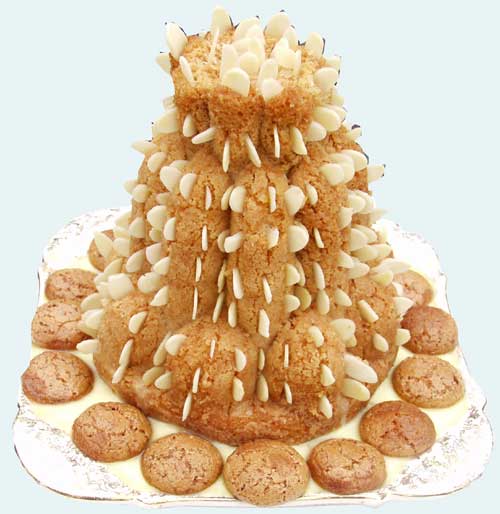
Tipsy Cake

Reading Hannah's recipes, we can see how much our tastes in food have changed. Her Cookery Book included recipes for Jugged Pigeons,Potted Venison, Fried Celery, Tipsy Cake (depicted above), and Salamangundy (a salad made with cucucumber, apples, grapes, herring, red cabbage, hard boiled eggs, and cooked fowl.)As to how the food of the day tasted, here are Jane Austen's words, scribbled to Cassandra in 1808:

"The Widgeon and the preserved ginger were as delicious as one could wish. But as to our black butter, do not decoy anybody to Southampton by such a lure, for it is all gone ..."

From Food: and Cooking in 18th Century Britain: History and Recipes, Jennifer Snead, English Heritage, ISBN 1 85074 084 4

Sunday, September 2

Street Pie Men

Whenever Jane Austen came to visit London, her ears would have been assaulted by the din of London street noise. This would include the distinctive cries in the evening from street vendors such as the pie men shouting, “Pies all ‘ot! eel, beef, or mutton pies! Penny pies, all ‘ot--all ‘ot!”

In 1851, Henry Mayhew published London Labor and the London Poor, Vol 1. This social history described the venerable but humble occupation of the ‘street pie men’ and ‘the street-sellers of pea-soup and hot eels.' These pie men sold their hot food to poor working class families at an affordable price. At one time, over 600 pie men roamed London to sell meat, eel or fruit pies in streets, taverns, summer fairs and at the races. By the time of Henry Mayhew's history, only about 50 remained, selling their pies from 6 (in the evening, I presume) and staying out all night. The best time for selling pies was between 10 p.m. and 1 a.m.

Cornish Pastry


Eel sellers, however, largely sold their wares from stalls. Around the mid-19th century, these two trades went into a decline when penny-pie shops were established. Some street pie men did not seal off their pies properly, whereas the new shops sold food that was generally safe. Instead of selling pre-made pies, they sold live eels or food with good nutritional value for families to take home and cook. Within a few years the street sellers had almost disappeared.

Read more about this topic in the following links, especially Henry Mayhew’s. He interviewed actual working pie men and wrote down their observations::

Friday, September 1

An English Meal

Louis Simond, An American in Regency England, describes a meal with his host and hostess as thus:

"The master and mistress of the house sit at each end of the table--narrower and longer than the French tables--the mistress at the upper end--and the places near her are the places of honour. There are commonly two courses and a dessert. I shall venture to give a sketch of a moderate dinner for ten or twelve persons. Although contemporary readers may laugh, I flatter myself it may prove interesting in future ages."

First course (not in order)
Oyster Sauce, Fish, Fowls, Soup, Vegetables, Roasted or Boiled Beef, Spinage, Bacon, Vegetables

Second Course (not in order)
Creams, Ragout a la Francoise, Pastry, Cream, Cauliflowers, Game, Celery, Macaroni, Pastry.

Dessert (not in order)
Walnuts, Raisins and Almonds, Apples, Cakes, Pears, Raisins and Almonds, Oranges

"Soon after dinner the ladies retire, the mistress of the house rising first, while the men remain standing. left alone, they resume their seats, evidently more at ease, and the conversation takes a different turn--less reserved--and either graver, or more licentious."

Click on more links to food in the Regency Era:
Historic Food Links
The Food Timeline
Food and Drink in Regency England
The Art of Cookery
History of Tea in Britain

About the Art of Cookery: 'The Art of Cookery', written by Hannah Glasse, was published in 1747. It was a best seller for over a hundred years, and made Glasse one of the best-known cookery writers of the eighteenth century. As Glasse explains in the preface, the book was intended to be an instruction manual for servants - 'the lower sort' as she called them. During the 1700s there was a fashion for books of this kind, which were designed to save the lady of the house from the tedious duty of instructing her kitchen maids."